


How to Choose the Best Running Socks for Your Feet
Table of Contents
Whether you’re a beginner runner or clocking miles every week, most athletes focus on shoes, apparel, and accessories—yet running socks often go overlooked. But the truth is: the right pair of running socks can dramatically improve comfort, reduce blisters, wick away moisture, and even enhance performance.
How to choose the best running socks for your feet, covering fabric, fit, cushioning, seam design, and features suited to Indian weather and your running routine.
Why Running Socks Matter
Your feet take the brunt of every run—so the socks you wear directly affect:
Comfort throughout the run
Moisture control and sweat management
Blister prevention
Foot support and impact absorption
Overall running performance
Think of running socks as part of your performance gear, not just a basic accessory.
1. Choose the Right Fabric
The material of your running socks is one of the most important factors.
Bamboo Socks
Naturally moisture-wicking
Anti-odour & breathable
Soft on skin — ideal for sensitive feet
Perfect for:
-
Daily runs
-
Hot and humid conditions
-
Sweat-prone feet
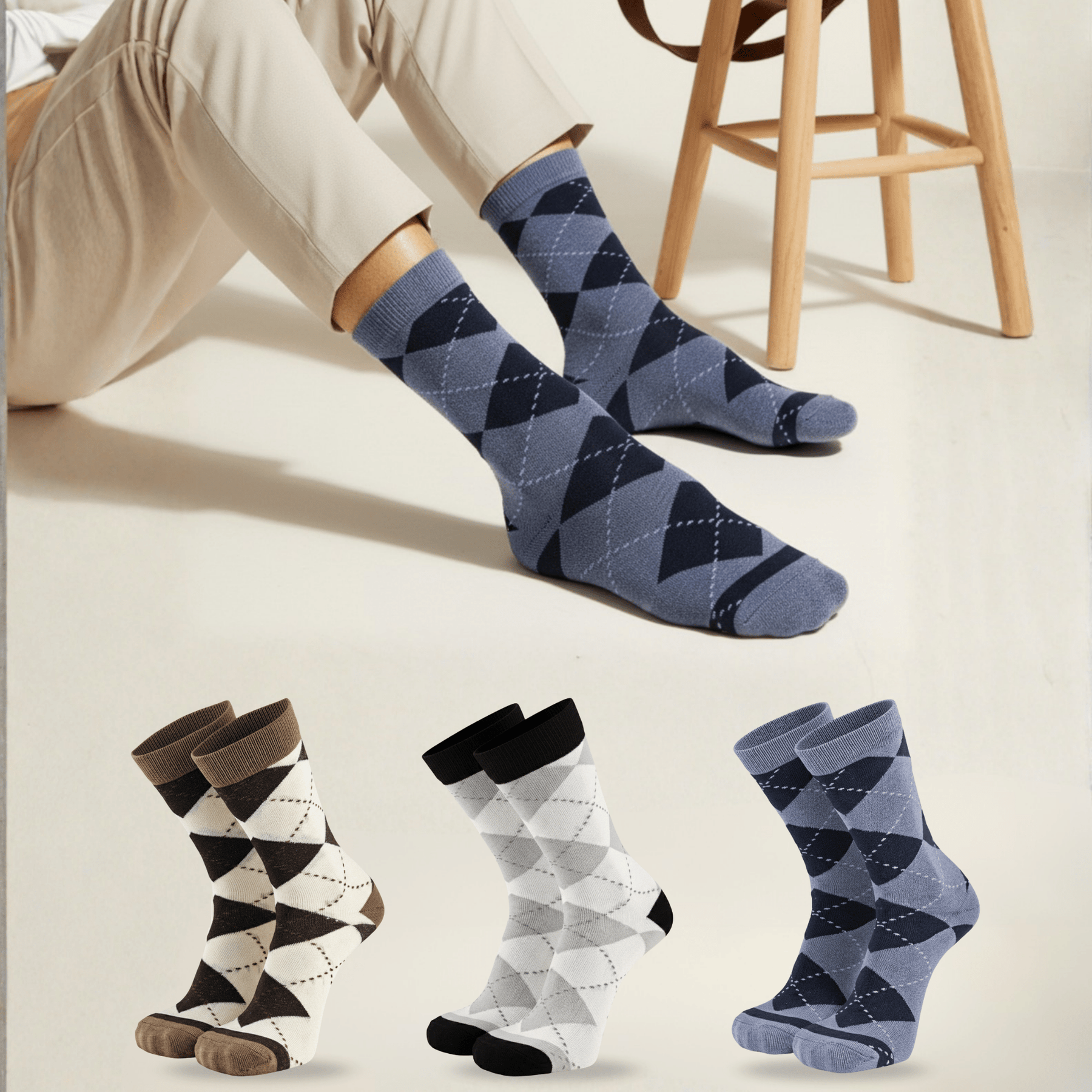
Combed Cotton / Cotton Blends
Comfortable and soft
Breathable for short runs
Works well in mild weather
Best for:
-
Beginners
-
Daily jogs
-
Light workouts
Blends with Spandex
Adds stretch and snug fit
Keeps socks secure
Prevents slippage during movement
2. Sock Thickness & Cushioning
The thickness of your running socks affects comfort, impact support, and shoe fit.
Lightweight/Thin Socks
Best for shorter runs
Keep feet cool
Less bulk inside shoes
Ideal for:
-
Fast runs
-
Hot weather
Medium Cushioning
Balanced comfort
Good impact protection
Works for most runners
Perfect for:
-
Daily training
-
Comfort + support
Heavy Cushioning
Maximum impact protection
Good for long runs or rough terrain
Best for:
-
Marathon training
-
Trail runs
-
Longer distances
3. Seam Design & Fit
Running socks should have:
Flat or seamless toe design
Reduces friction that causes blisters.
Snug fit around the arch and heel
Prevents slippage and bunching.
Gentle top elastic
Secure fit without cutting circulation.
4. Sock Height Matters
The height of your running socks affects protection, style, and performance.
No-Show Socks
Hidden look
Great for casual runs
Works with trainers
Best for:
-
Shorts or cropped runs
-
Warm weather
Ankle Socks
Most popular
Balanced coverage & breathability
Ideal for:
-
Daily runs
-
Gym + run combos
Crew Socks
Extra support
Protects ankles
Great for:
-
Trail runs
-
Long runs
-
Cooler weather
Compression/Sleeve Socks
Supports blood circulation
Helps recovery
Good for long distances
Best for:
-
Marathon runners
-
Recovery days

5. Moisture-Wicking and Odour Control
Your feet sweat—especially during longer runs or in hot and humid conditions like those that much of India experiences.
Look for:
Breathable fabric
Ventilation zones
Anti-odour properties
Moisture-wicking yarns
These keep feet dry, prevent blisters, and reduce smell.
6. Fit & Comfort Across Distances
Short Runs (1–5 km)
Lightweight socks
Bamboo or cotton blends
No-show or ankle length
Ideal for:
-
Beginners
-
Mild weather runs
Medium Runs (5–10 km)
Medium cushioning
Breathable design
Ankle or crew length
Perfect for:
-
Daily runners
-
Regular training
Long Runs (10+ km)
Cushioned socks
Compression or crew height
Synthetic moisture control
Best for:
-
Weekend long runs
-
Marathon preparation
7. Choosing Socks Based on Weather
Summer & Hot Weather
-
Ultra-breathable fabrics
-
Bamboo or thin synthetic socks
-
Ankle or no-show length
Goal: sweat control + airflow
Monsoon / Humid Days
-
Moisture-wicking blends
-
Quick-dry materials
-
Higher ventilation zones
Goal: prevent odour + moisture buildup
Winter Runs
-
Medium to heavy cushioning
-
Crew socks or thermal blends
-
Wool blends (like merino wool)
Goal: warmth + breathability
8. How to Prevent Blisters with Running Socks
Blisters happen when:
Socks trap sweat
Fabric rubs against skin
Too much friction = painful hot spots
Solutions:
Choose seamless or flat seam socks
Use moisture-wicking fabric
Pick a snug (not tight) fit
Avoid cotton-only socks for long runs
9. How Many Running Socks Should You Own?
Running socks need rotation for hygiene and performance:
3–5 pairs — light to medium runs
5–8 pairs — regular runners
10+ pairs — frequent, long-distance runners
Rotation also extends sock life and prevents odour buildup.
10. Sock Care Tips for Running Socks
To get the most life out of your running socks:
Wash inside out
Use gentle detergent
No fabric softener
Air dry in shade
Avoid excessive heat
Proper care keeps fabric breathable and stretchable.
Running Socks vs Regular Socks
|
Feature |
Running Socks |
Regular Socks |
|
Moisture control |
High |
Low |
|
Cushioning |
Specific zones |
General |
|
Blister prevention |
Seamless/Flat |
Not designed |
|
Breathability |
High |
Average |
|
Fit |
Snug + Stretch |
Standard |
Running socks are engineered for performance — regular socks fall short.
Common Mistakes Runners Make with Socks
Wearing casual socks for long runs
Choosing thick socks for hot weather
Ignoring fabric breathability
Using socks with tight elastic
Not replacing old socks
Good socks = better runs.
Running socks are often overlooked, but they are one of the most important pieces of running gear you can invest in. When you choose socks that fit well, wick moisture, prevent blisters, and support your feet, your runs become more comfortable — and more enjoyable.
Don’t run with just any socks — choose the best running socks for your feet.
FAQs – How to Choose the Best Running Socks
1. What makes running socks different from regular socks?
Running socks are designed to wick moisture, reduce friction, and prevent blisters — features regular socks don’t focus on.
2. Are bamboo socks good for running?
Yes — bamboo socks are excellent for sweat control and comfort, especially in warm or humid climates.
3. Should my running socks be tight?
No — socks should be snug but not tight. Too much pressure can restrict circulation and cause discomfort.
4. What sock height is best for runners?
Ankle length is popular, but crew socks offer extra protection for trails and cooler weather.
5. How often should running socks be replaced?
Replace socks every 6–9 months based on use, elasticity loss, and comfort level.


