
Grip Socks: The Complete Guide to Stability, Comfort & Performance

Table of Contents

When it comes to workouts, balance training, yoga, Pilates, or even hospital recovery, footwear matters more than most people realize. While many focus on shoes, one underrated essential can dramatically improve performance and safety — grip socks.
Designed with anti-slip technology on the sole, grip socks provide traction, support, and hygiene in situations where regular socks simply don’t perform well. Whether you're working out at the gym, practicing yoga at home, or attending a Pilates class, the right pair of grip socks can enhance stability and confidence.
Explore what grip socks are, their benefits, types, how to choose the best pair, and why they’re becoming a must-have accessory.
What Are Grip Socks?
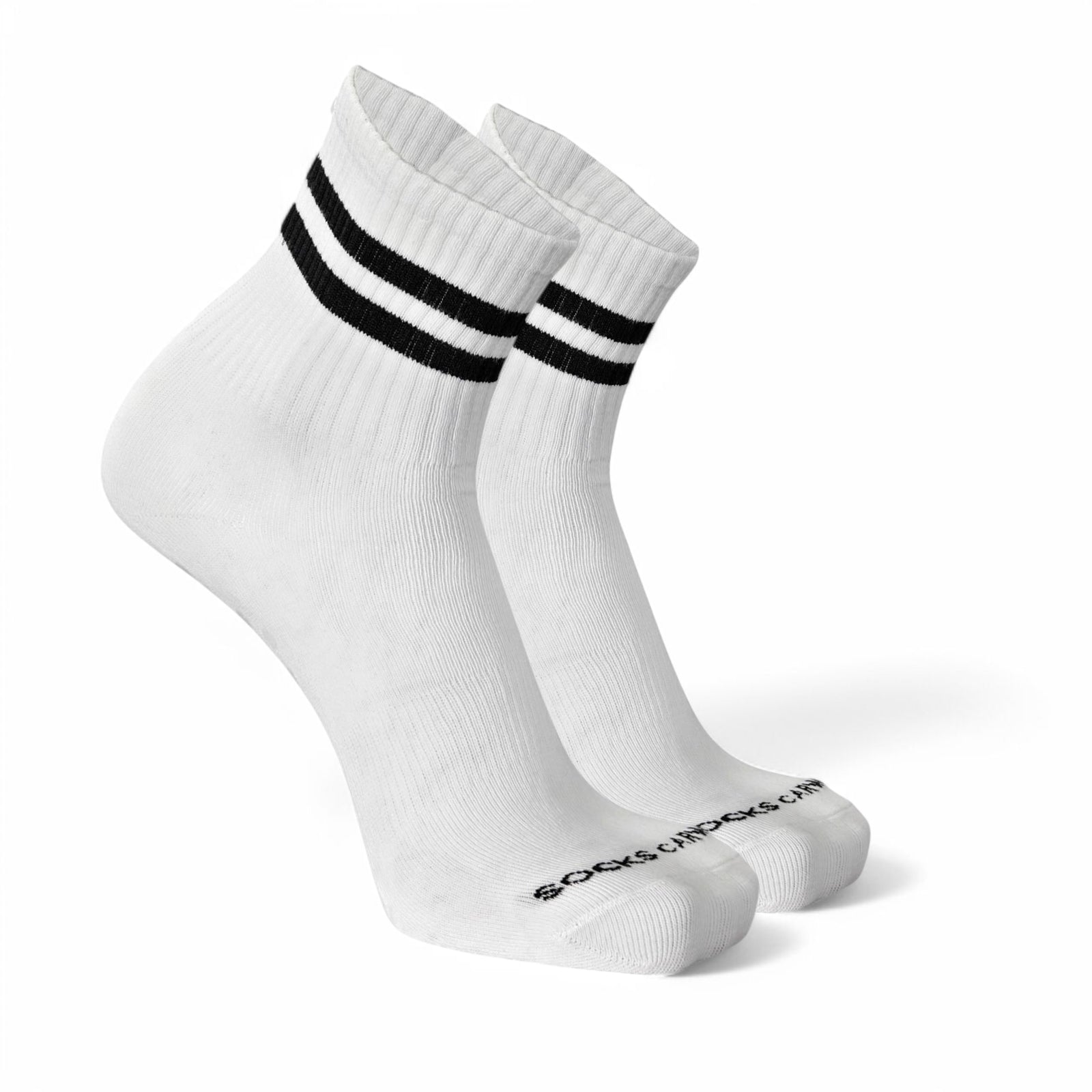
Grip socks (also known as anti-slip socks or non-slip socks) are specially designed socks featuring rubber or silicone grip patterns on the bottom sole.
These grip patterns:
-
Increase traction on smooth surfaces
-
Prevent slipping
-
Improve balance
-
Enhance movement control
Unlike regular socks, which can be slippery on polished floors or studio surfaces, grip socks are built specifically for stability.
Why Regular Socks Aren’t Enough
Wearing standard socks during workouts or on smooth floors can cause:
Slipping during exercises
Loss of balance
Increased injury risk
Reduced performance control
Especially during movements like:
-
Lunges
-
Squats
-
Planks
-
Jump training
-
Yoga balance poses
Grip socks eliminate these risks by providing secure contact between your feet and the floor.
Key Benefits of Grip Socks
Enhanced Stability & Balance
Grip socks create friction between your foot and the surface, giving you better control during movements. This is particularly important for:
-
Yoga poses
-
Pilates reformer exercises
-
Functional training
-
Core workouts
Better balance leads to improved form and better results.
Injury Prevention
Slipping during workouts can cause ankle twists, muscle strain, or falls. Anti-slip socks reduce this risk significantly.
They are especially helpful for:
-
Beginners
-
Seniors
-
Rehabilitation patients
-
Post-surgery recovery
Improved Workout Performance
When your feet feel stable, you move with confidence. Grip socks allow:
Better push-off during squats
More control in planks
Stability in lunges
Cleaner movement transitions
Small details can improve overall performance.
Hygiene Protection
Going barefoot in public gyms or studios exposes your feet to bacteria and sweat. Grip socks provide a protective barrier without sacrificing grip.
They are commonly required in:
-
Pilates studios
-
Yoga centers
-
Hospital recovery wards
Comfortable & Breathable Design
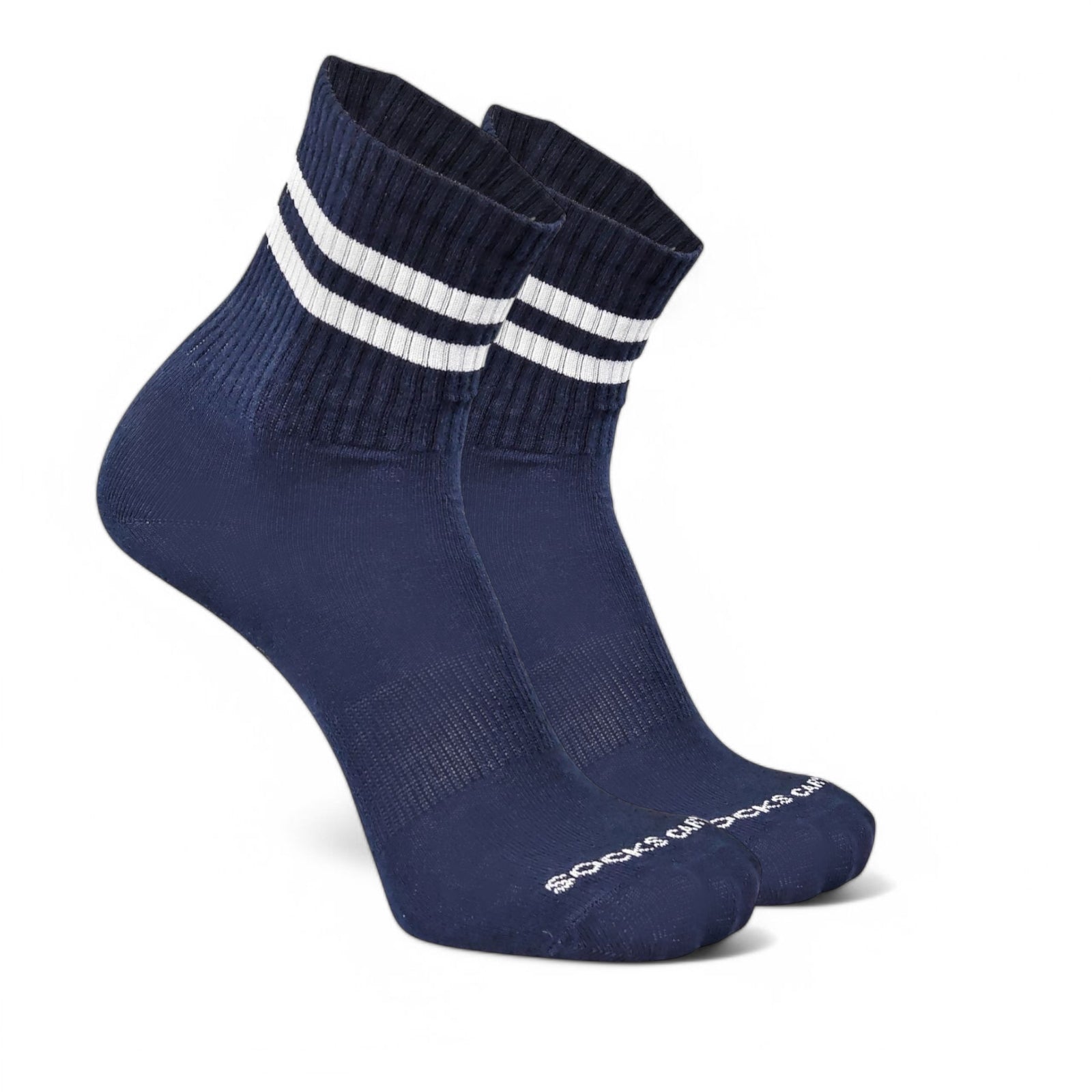
Modern gym grip socks are made with breathable materials such as:
-
Combed cotton
-
Bamboo blends
-
Nylon-spandex blends
These materials ensure moisture control and long-lasting comfort.
Types of Grip Socks
Yoga Grip Socks
Designed for:
-
Flexibility
-
Lightweight feel
-
Breathability
They usually feature minimal cushioning and flexible grip patterns to allow natural movement.
Best for:
-
Home yoga
-
Studio classes
-
Stretching sessions
Gym Grip Socks
Built for:
-
Strength training
-
Functional workouts
-
HIIT sessions
These socks often include:
-
Stronger grip coverage
-
Reinforced heel & toe
-
Arch support
Pilates Grip Socks
Pilates grip socks are often crew-length and include:
-
Strong sole traction
-
Extra arch compression
-
Durable stitching
Especially popular for reformer workouts.
Medical Non-Slip Socks
Used in:
-
Hospitals
-
Rehabilitation centers
-
Senior care
These typically feature:
-
Full-sole grip
-
Higher coverage
-
Thicker construction
Designed primarily for fall prevention.
How to Choose the Best Grip Socks
1. Grip Coverage
Look for:
-
Wide grip coverage
-
Durable silicone patterns
-
Evenly distributed traction
More grip = better stability.
2. Fabric Quality
Best materials include:
Combed Cotton – Breathable and soft
Bamboo – Anti-odour & moisture-wicking
Nylon blends – Durable and flexible
Spandex – Adds stretch and fit retention
Avoid low-quality fabrics that lose shape quickly.
3. Proper Fit
Grip socks should:
-
Fit snugly
-
Not bunch inside
-
Not restrict circulation
A poor fit reduces effectiveness.
4. Cushioning Level
Choose based on activity:
Light Cushioning → Yoga
Medium Cushioning → Gym workouts
Heavy Cushioning → Intense training
5. Length Preference
No-show → Minimal look
Ankle → Most versatile
Crew → Extra support
Mid-calf → Recovery or medical use
Grip Socks vs Barefoot Training
Many fitness enthusiasts prefer barefoot workouts. However, barefoot training:
-
Lacks hygiene
-
Can be slippery
-
Offers no moisture absorption
Grip socks provide: -
Natural movement feels
-
Added traction
-
Protection
-
Hygiene
They combine the benefits of barefoot movement with added safety.
Grip Socks vs Regular Socks
|
Feature |
Grip Socks |
Regular Socks |
|
Anti-slip sole |
Yes |
No |
|
Stability |
High |
Low |
|
Designed for workouts |
Yes |
No |
|
Injury prevention |
Yes |
Limited |
|
Studio-approved |
Yes |
No |
For performance environments, grip socks clearly outperform regular socks.
When Should You Wear Grip Socks?
- Gym workouts
- Yoga classes
- Pilates sessions
- Home workouts
- Dance practice
- Hospital recovery
- Travel (for grip in flights or smooth floors)
They are particularly useful on polished floors and tiles.
Are Grip Socks Good for Running?
Grip socks are not typically recommended for running inside shoes. They are primarily designed for:
-
Indoor workouts
-
Barefoot-style training
-
Studio activities
For running, choose performance running socks instead.
How Many Grip Socks Should You Own?
Depending on usage:
Casual gym user → 3–5 pairs
Regular fitness enthusiast → 5–8 pairs
Daily studio trainer → 8–10 pairs
Rotating socks maintains hygiene and grip quality.
Caring for Grip Socks
To extend lifespan:
- Wash inside out
- Use mild detergent
- Avoid fabric softener
- Air dry
- Avoid high heat
Heat can damage silicone grips.
When to Replace Grip Socks
Replace them if:
-
Grip starts peeling
-
Sole traction weakens
-
Elastic loosens
-
Fabric thins
Average lifespan: 6–12 months depending on use.
Why Grip Socks Are Growing in Popularity
Grip socks are trending because:
-
Home workouts increased
-
Yoga & Pilates are popular
-
People prioritize hygiene
-
Studio policies often require them
-
Fitness culture values performance gear
They’re affordable, practical, and effective.
Grip socks may seem like a small accessory — but they offer significant benefits in stability, hygiene, and performance.
Whether you're lifting weights, flowing through yoga poses, or attending a Pilates class, anti-slip socks provide the traction and confidence needed to perform safely.
If you train indoors regularly, grip socks are not just helpful — they’re essential.
FAQs – Grip Socks
What are grip socks used for?
Grip socks are used for yoga, gym workouts, Pilates, and recovery to prevent slipping and improve stability.
Are grip socks better than barefoot?
how often they are used
Can I wear grip socks with shoes?
They can be worn with shoes, but they’re designed mainly for indoor use without footwear.
Do grip socks help prevent injuries?
Yes. They reduce slipping and improve balance, lowering the risk of falls.
How long do grip socks last?
Quality grip socks typically last 6–12 months, depending on frequency of use.


