
Cotton Socks vs Wool Socks: Which Is Best for Your Feet?

Table of Contents

Choosing the right pair of socks might seem simple, but when it comes to comfort, performance, and daily wear, the material makes all the difference. Two of the most popular choices are cotton socks and wool socks — each offering unique advantages depending on your lifestyle, weather, and activity level.
This guide breaks down everything you need to know in the cotton socks vs wool socks debate — from comfort and breathability to moisture control and longevity — to help you choose the best socks for your needs, whether it’s daily wear, travel, work, or winter weather.
Why Material Matters in Socks
Socks do more than protect your feet. They help with:
-
Temperature regulation
-
Moisture management
-
Comfort all day
-
Odour control
-
Blister prevention
The fabric of your socks affects every one of these factors. That’s why cotton and wool — two of the most common sock materials — perform differently.
Cotton Socks: Everyday Comfort You Can Count On
What Are Cotton Socks?
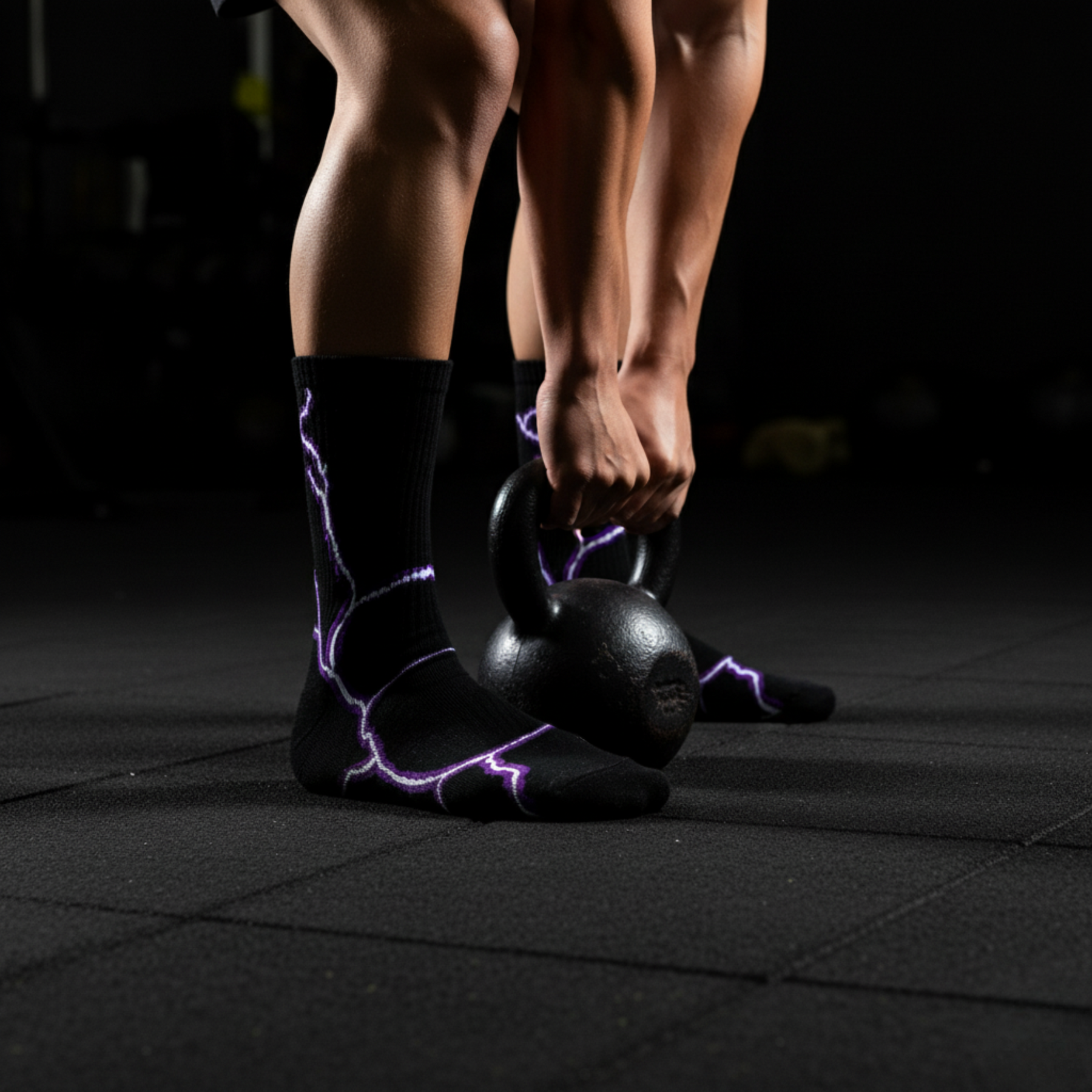
Cotton socks are made primarily from cotton fibers — soft, breathable, and naturally gentle on skin. They are the most common type of socks people wear worldwide.
Key Benefits of Cotton Socks
Soft & Breathable — Cotton lets air circulate, keeping feet cool.
Perfect for Everyday Use — Great for work, walking, and casual wear.
Hypoallergenic — Gentle on sensitive skin.
Easy to Maintain — Machine washable and quick to care for.
Best Uses for Cotton Socks
-
Daily office wear
-
Casual outings
-
Everyday commute
-
Mild weather
When Cotton Socks Might Fall Short
-
Moisture Control: Cotton absorbs sweat but doesn’t wick it away — feet may feel damp.
-
Cold Weather: Provides limited warmth in chilly climates.
Wool Socks: Warmth and Performance When It Matters
What Are Wool Socks?
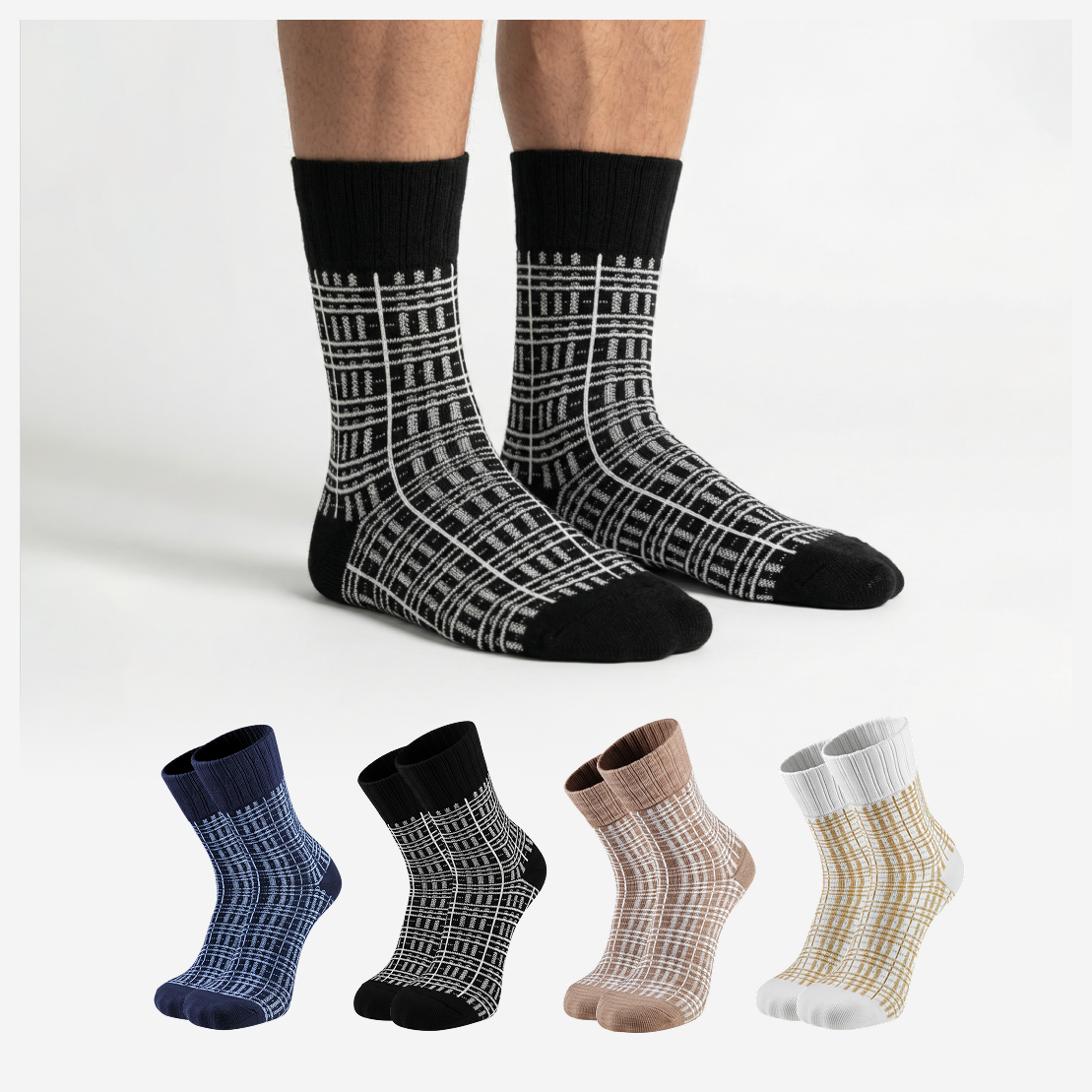
Wool socks are made from natural wool fibers — most commonly merino or premium blends. Modern wool socks are soft, non-itchy, and highly functional.
Key Benefits of Wool Socks
Superior Warmth — Natural insulation keeps feet warm without overheating.
Excellent Moisture Control — Wool wicks moisture away from skin.
Odour-Resistant — Naturally antibacterial.
Temperature Regulation — Great in both cold and mild climates.
Best Uses for Wool Socks
-
Winter wear
-
Travel to cold climates
-
Outdoor activities
-
Long hours in air-conditioned places
When Wool Socks Might Not Be Ideal
-
Warmer Weather: Can feel too warm for summer.
-
Price: Often higher cost than cotton socks due to premium material.
Cotton Socks vs Wool Socks: Side-by-Side Comparison
|
Feature |
Cotton Socks |
Wool Socks |
|
Breathability |
High |
Medium-High |
|
Warmth |
Low |
Excellent |
|
Moisture Wicking |
Moderate |
Excellent |
|
Odour Control |
Low |
Natural & Strong |
|
Best For |
Everyday / Casual |
Winter / Cold Weather |
|
Maintenance |
Easy |
Gentle wash advised |
|
Durability |
Good |
Excellent with blends |
How Each Material Feels On Your Feet
Cotton Socks
-
Feels soft and light
-
Excellent for daily wear in warm/mild climates
-
Less insulation during cold weather
Wool Socks
-
Feels plush and supportive
-
Great for cold mornings and travel
-
Keeps feet warm even when slightly damp
Choosing the Right Socks for Your Lifestyle
For Hot & Humid Climates
Go with cotton socks — they keep feet cool and comfortable.
For Winters or Cold Mornings
Choose wool socks — superior insulation without sweating.
For Workouts
Cotton socks with moisture absorption or blended socks are better.
For Travel
Wool socks win due to odour control and temperature flexibility.
Material Blends: Best of Both Worlds
Top-quality socks today combine materials for enhanced performance:
-
Combed Cotton — Smoothness & breathability
-
Bamboo — Moisture-wicking + anti-odour
-
Acro Wool — Strength + insulation
-
Spandex — Stretch + secure fit
-
Nylon — Used selectively in designs for shape & durability
These blends make socks more versatile, comfortable, and long-lasting.
Care Tips to Make Your Socks Last Longer
Cotton Socks
-
Wash on a gentle cycle
-
Avoid bleach
-
Air dry for best longevity
Wool Socks
-
Gentle/cold wash
-
Avoid heavy tumble dry
-
Use mild detergents
Good care extends the life and performance of both types.
FAQs — Cotton Socks vs Wool Socks
Q1: Are wool socks better than cotton socks?
It depends on use. Wool socks are warmer and better in cold weather, while cotton socks are ideal for everyday wear and warm climates.
Q2: Can cotton socks be worn in winter?
Cotton socks are comfy but not ideal for winter. Wool socks or blended winter socks provide better warmth and moisture control.
Q3: Do wool socks cause sweating?
No. Wool naturally wicks moisture and resists odour, keeping feet dry even in cold weather.
Q4: Are bamboo socks better than cotton or wool?
Bamboo socks excel in moisture control and softness, making them a great choice for daily wear in warm weather but less insulating than wool in winter.
Q5: Which socks last longer — cotton or wool?
Wool socks (especially blended with durable fibres) generally last longer under repeated wear and washing.
Bottom Line: How to Choose Between Cotton and Wool Socks
Choose Cotton Socks if you want:
-
Soft, everyday comfort
-
Breathability in warm/mild climates
-
Easy maintenance
Choose Wool Socks if you want:
-
Warmth and insulation
-
Moisture management
-
Odour resistance
-
Best performance in cold weather
Both have their place — the best choice is the one that fits your lifestyle, climate, and daily needs.


