
Best Sports Socks: How to Choose the Right Socks for Sports and Workouts

Table of Contents

Socks may seem like a small part of your sports gear, but they play a major role in comfort, performance, and foot protection. The wrong pair can cause sweating, blisters, and discomfort, while the right pair can improve stability and keep your feet fresh during intense activities.
Whether you're running, training at the gym, playing football, or doing daily workouts, choosing the best sports socks can make a big difference. Modern athletic socks are designed with special materials and construction to support movement, manage moisture, and reduce friction.
Explain which type of socks are best for sports, what features to look for, and how to choose the perfect pair for your activity.
Why Sports Socks Matter
Many athletes underestimate the importance of good socks. However, your feet experience constant pressure during physical activity.
High-quality sports socks help:
-
Reduce friction between feet and shoes
-
Prevent blisters and irritation
-
Improve breathability
-
Absorb sweat and keep feet dry
-
Provide cushioning and support
These features help athletes stay comfortable during long workouts or sports sessions.
Types of Socks Best for Sports
Different sports require different types of socks. Here are the most common options.
1. Running Socks
Running socks are designed for repetitive movement and long-distance activities.
Key features
-
Lightweight design
-
Breathable mesh panels
-
Moisture-wicking materials
-
Targeted cushioning
These socks reduce friction and help prevent blisters caused by constant motion.
Best for:
-
Running
-
Jogging
-
Marathon training
2. Athletic Crew Socks
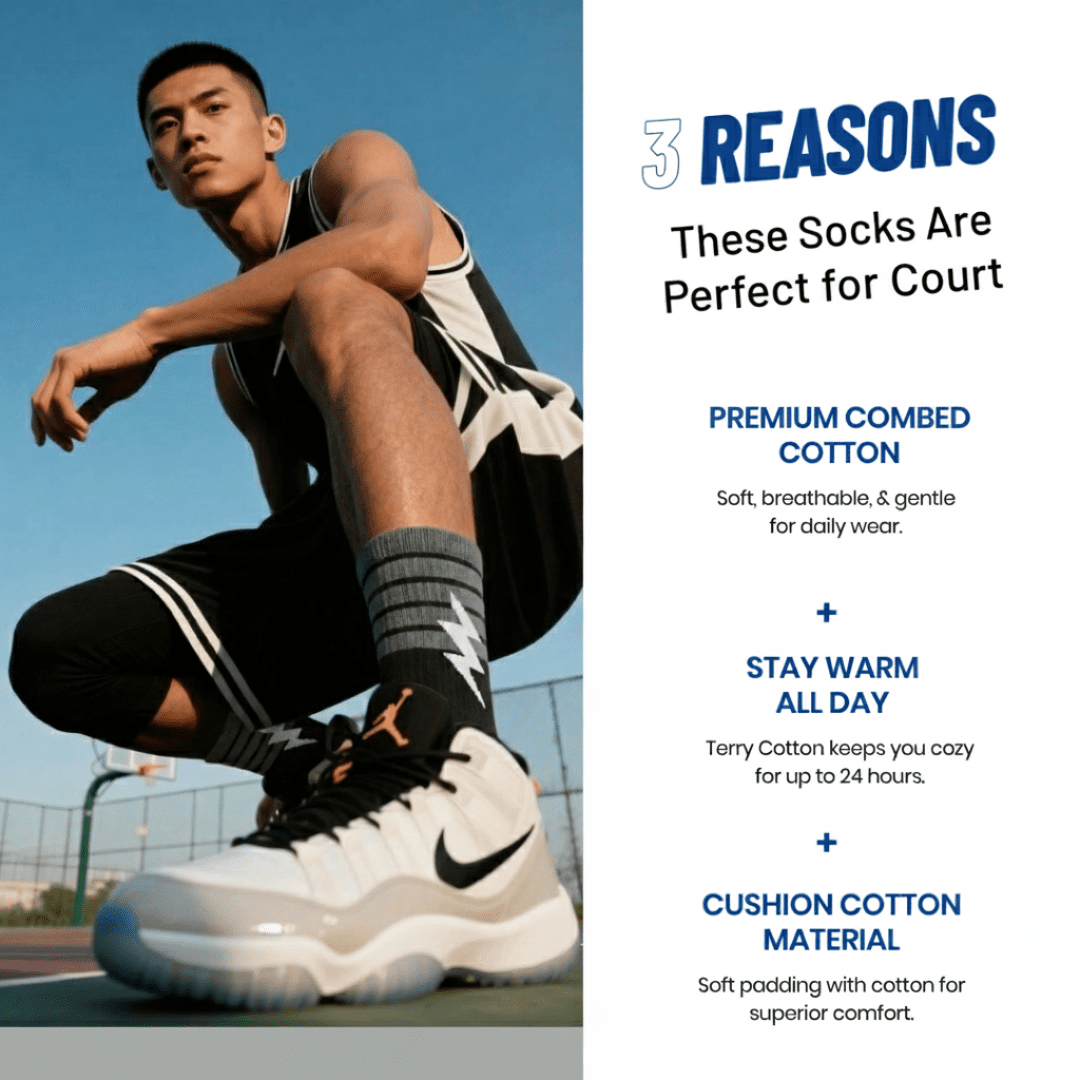
Crew socks extend to the mid-calf and are one of the most popular sports sock styles.
Benefits
-
Extra protection for ankles
-
Good cushioning
-
Stylish appearance
These socks are commonly used for sports like:
-
Basketball
-
Football
-
Gym workouts
Crew socks also became popular in streetwear fashion, where visible socks are part of the outfit.

3. Ankle Sports Socks
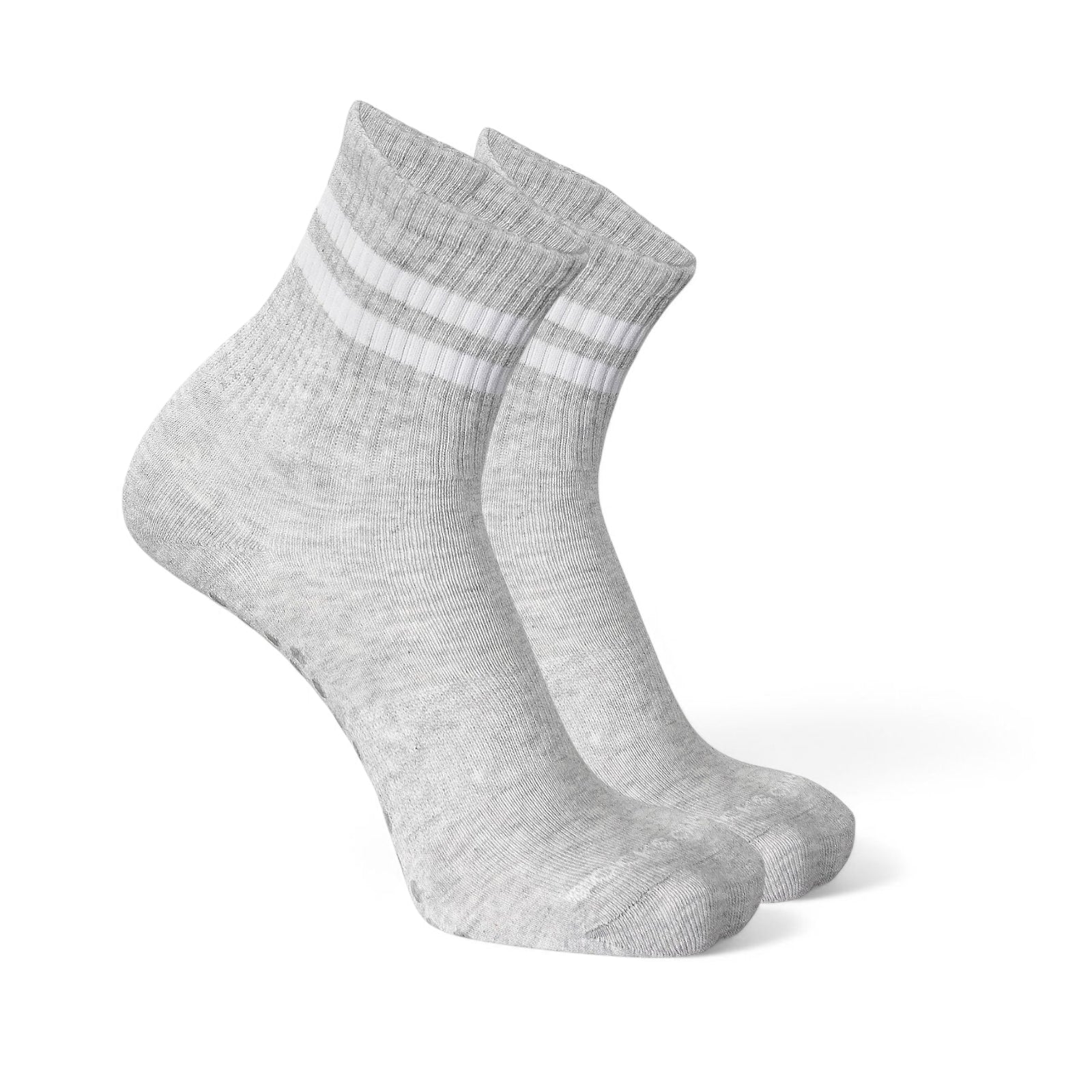
Ankle socks sit just above the ankle bone and are lightweight and breathable.
Advantages
-
Comfortable in warm weather
-
Minimal bulk
-
Good airflow
Best for:
-
Gym workouts
-
Cardio training
-
Running
Ankle socks are especially popular with people who prefer a low-profile athletic look.
4. Compression Sports Socks
Compression socks apply gentle pressure to the legs and feet.
Benefits
-
Improves blood circulation
-
Reduces muscle fatigue
-
Helps faster recovery after exercise
Athletes often wear compression socks during long-distance running, cycling, and endurance sports.
5. Cushioned Training Socks
These socks include extra padding in high-impact areas.
Key benefits
-
Shock absorption
-
Extra comfort during jumping or lifting
-
Reduced foot fatigue
They are perfect for HIIT workouts, weight training, and intense gym sessions.
6. Grip or Anti-Slip Sports Socks
Grip socks have silicone patterns on the bottom to prevent slipping.
Best for
-
Yoga
-
Pilates
-
Indoor training
-
Functional workouts
They improve stability and balance during movements.
Best Materials for Sports Socks
The material used in socks affects comfort and performance.
Cotton Blend Socks
Cotton socks are soft and breathable, making them comfortable for everyday sports activities.
Benefits:
-
Comfortable
-
Natural fiber
-
Breathable
However, cotton may absorb sweat and take longer to dry during intense workouts.
Bamboo Socks
Bamboo fibers are becoming popular in modern sports socks.
Benefits:
-
Breathable
-
Antibacterial
-
Odor resistant
Bamboo socks provide excellent comfort for active lifestyles.
Merino Wool Sports Socks
Merino wool is commonly used in outdoor sports socks.
Advantages:
-
Temperature regulation
-
Moisture control
-
Natural odor resistance
These socks are ideal for hiking and cold-weather sports.
Key Features to Look for in Sports Socks
When choosing the best sports socks, look for these features.
Moisture-Wicking Fabric
Sweat management is essential for preventing discomfort and odor.
Cushioning
Extra padding reduces pressure on the feet during impact.
Arch Support
Elastic bands in the midfoot area improve stability.
Seamless Toe Design
Seamless socks reduce irritation and prevent blisters.
Breathable Panels
Mesh zones improve airflow and keep feet cool.
Best Socks for Different Sports
|
Sport |
Best Sock Type |
|
Running |
Lightweight running socks |
|
Gym workouts |
Cushioned ankle socks |
|
Football |
Crew sports socks |
|
Hiking |
Merino wool socks |
|
Yoga |
Grip socks |
Choosing the right socks for your activity improves comfort and performance.
Common Mistakes When Choosing Sports Socks
Wearing Regular Socks for Sports
Regular socks lack cushioning and moisture control.
Choosing the Wrong Size
Loose socks can cause friction and blisters.
Ignoring Fabric Quality
Cheap fabrics may trap sweat and cause odor.
How to Care for Sports Socks
Proper care can extend the life of your socks.
Tips include:
-
Wash socks inside out
-
Avoid excessive bleach
-
Use mild detergent
-
Air dry when possible
These steps help maintain elasticity and fabric quality.
Why Quality Sports Socks Are Worth It
Investing in high-quality sports socks can improve comfort, performance, and foot health.
Benefits include:
-
Better durability
-
Improved sweat control
-
Reduced risk of blisters
-
Enhanced athletic performance
For athletes and fitness enthusiasts, the right socks are an essential part of sports gear.
Sports socks are more than just accessories — they are essential for comfort and performance during physical activity. Whether you choose running socks, ankle socks, or compression socks, selecting the right material and design can make a significant difference.
By choosing breathable fabrics, proper cushioning, and supportive construction, you can ensure your feet stay comfortable and protected during workouts and sports activities.
FAQs
What socks are best for sports?
Athletic socks made with moisture-wicking fabric, cushioning, and arch support are best for sports.
Are cotton socks good for sports?
Cotton socks are comfortable but may absorb sweat. Cotton blends or performance fabrics are better for intense workouts.
What length socks are best for the gym?
Ankle socks or crew socks are most commonly used for gym workouts.
Do sports socks prevent blisters?
Yes. High-quality sports socks reduce friction and manage moisture, which helps prevent blisters.
Should sports socks be tight or loose?
Sports socks should fit snugly but not too tight. A secure fit prevents slipping and improves comfort.


